


Article published: 7/13/26
Designing for Conversion Without Losing the Brand
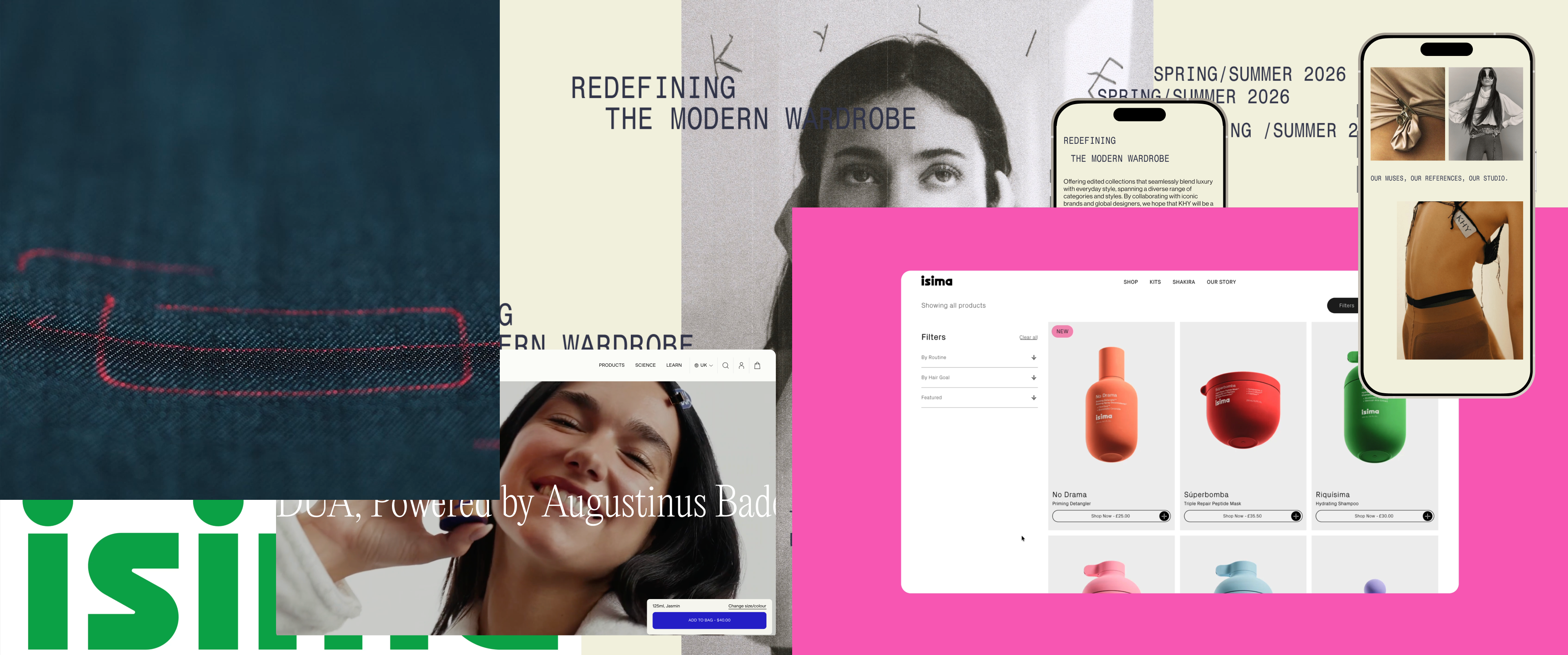
Every project begins with the brand: learning it, internalising it, understanding the creative platform it has built for itself. What are its strongest elements, and how do they translate into a design language capable of carrying an entire web experience? This is the critical foundation, the point where design stops being decoration and becomes a fundamental layer of how a brand communicates and connects.
Sector research matters. Understanding the customer landscape, the competitive set, how others position and present their offering. But this is the outer frame. At the core is something more essential: the brand differentiator. Not just what makes the product distinct, but what makes the brand itself felt, what it offers its audience beyond the transaction.
Everyone speaks about world-building, and rightly so. For us, the website is not a destination but an extension, another touchpoint within a world the brand has already begun to construct. We return to that world constantly, asking how the digital experience can deepen it, reach existing audiences more meaningfully, and open a door for new ones to step through.
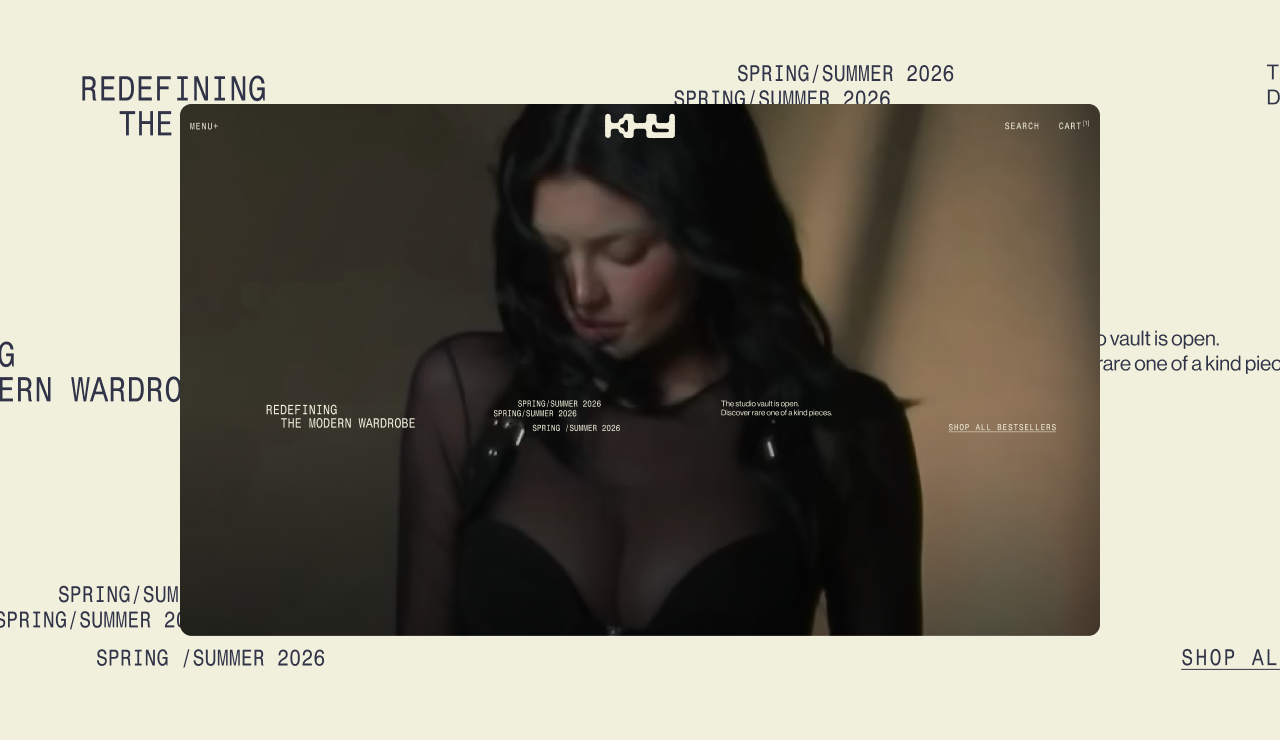 KHY launched by Kylie Jenner arrived with punchy, distinctive brand language, the kind of foundation that makes building a brand world feel inevitable. It gave us something real to work with, and working from a strong identity always unlocks bolder design. I always say, “we're only as good as the brand we're given.”
So we look beyond the obvious signals: the typefaces, the colour palette, the surface-level design applications. We look for what lives between the lines. What draws a customer in, what makes an offering feel desirable, what quietly builds the kind of devotion that, over time, earns a brand its cult position. A memorable, engaging online presence is not only an aesthetic achievement but a strategic one.
But none of it works without a strong product at its centre. When the product is genuinely compelling, everything else aligns more naturally. I often ask myself while designing: do I desire this product through the experience I'm creating? A large part of that answer lies in photography, treated not as decoration but as a strategic narrative tool. Lifestyle and editorial imagery for fashion brands, precise and considered visual storytelling for beauty and formulation-led products. When done well, it is at once informative and seductive, and it drives desirability in the most honest way possible.
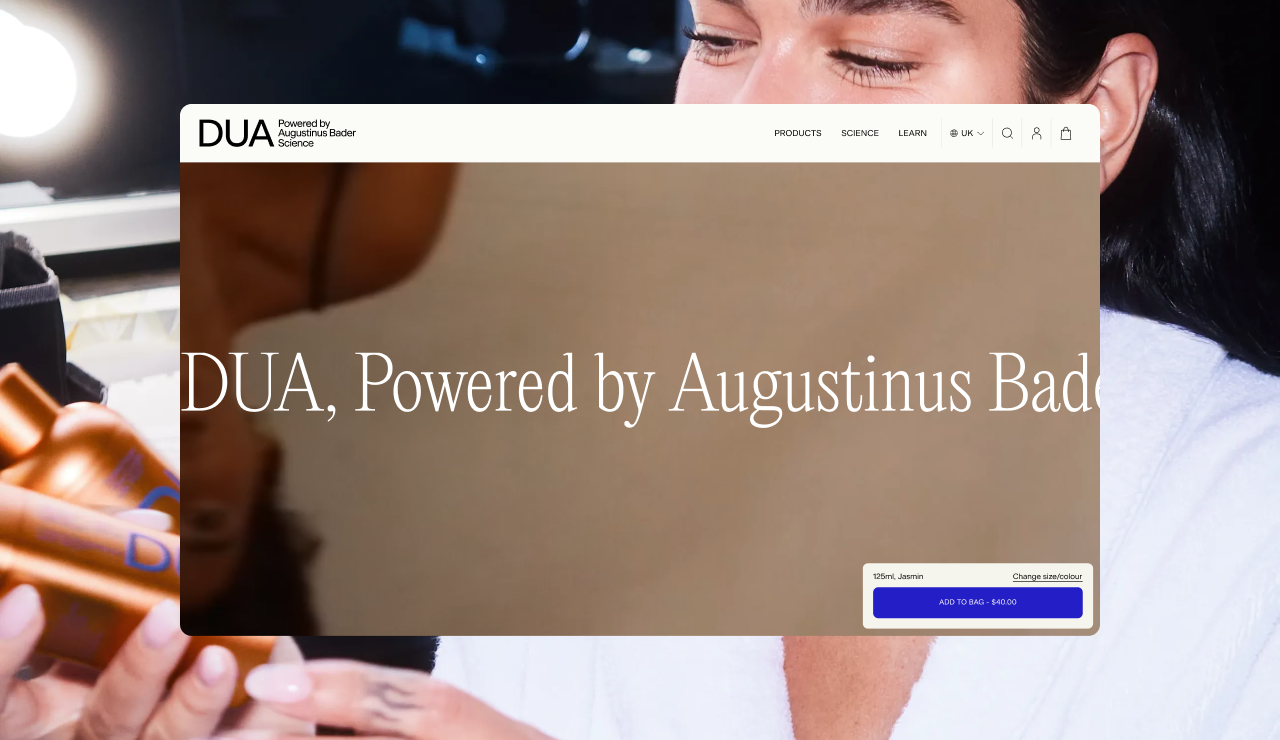 DUA came pre-loaded: Dua Lipa's cult following, Augustinus Bader's science. We just had to connect the dots, weaving content into storytelling that holds both the lifestyle dream and the clinical credibility without either canceling the other out. The site was built video-first, designed to pull people in before easing them toward the details.
Alongside this is what I call invisible design. It takes the backseat, holding everything together through a scalable design system while allowing the content and functionality to lead. It doesn't announce itself. But it is responsible for how layout and UX cohere, how a page feels effortless to move through. There is no room for gimmicks here. Every decision is preceded by intention, and the creative direction established early in a project is what keeps those decisions anchored throughout.
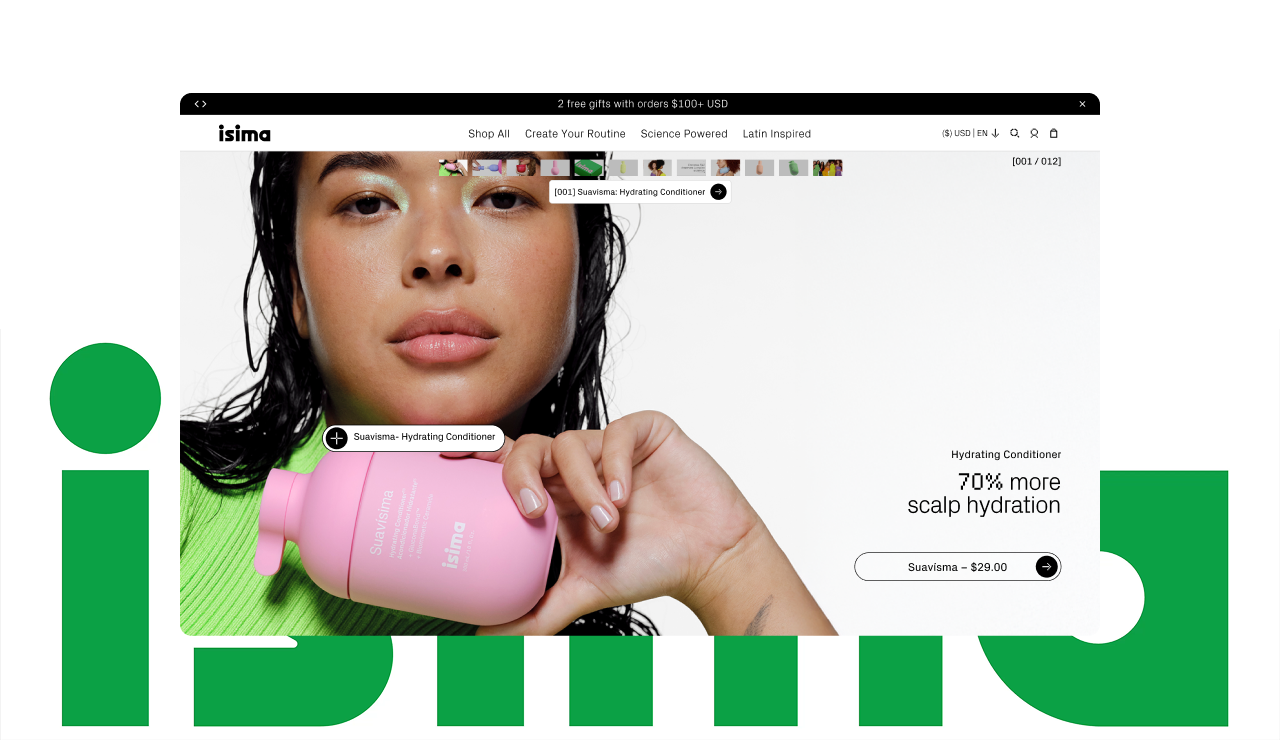 Isima committed to the formula first, then followed with custom packaging that's impossible to ignore. Our job was to get out of the way: a clean, minimal environment that lets the product do the talking. The vibrant color palette was the one flourish we leaned into, it was developed by the brand studio in close collaboration with Shakira, and it lands on the website like an exclamation point.
Vaan's framework is built at the collision point of two distinct worlds: brand creative design and conversion optimization. It is a seamless integration in which function defines form, never the reverse. We believe that technical constraints are not obstacles but invitations for creative problem-solving. That is the lens through which we work, and it is, I think, what allows us to do what we do alongside the brands that are shaping their industries.
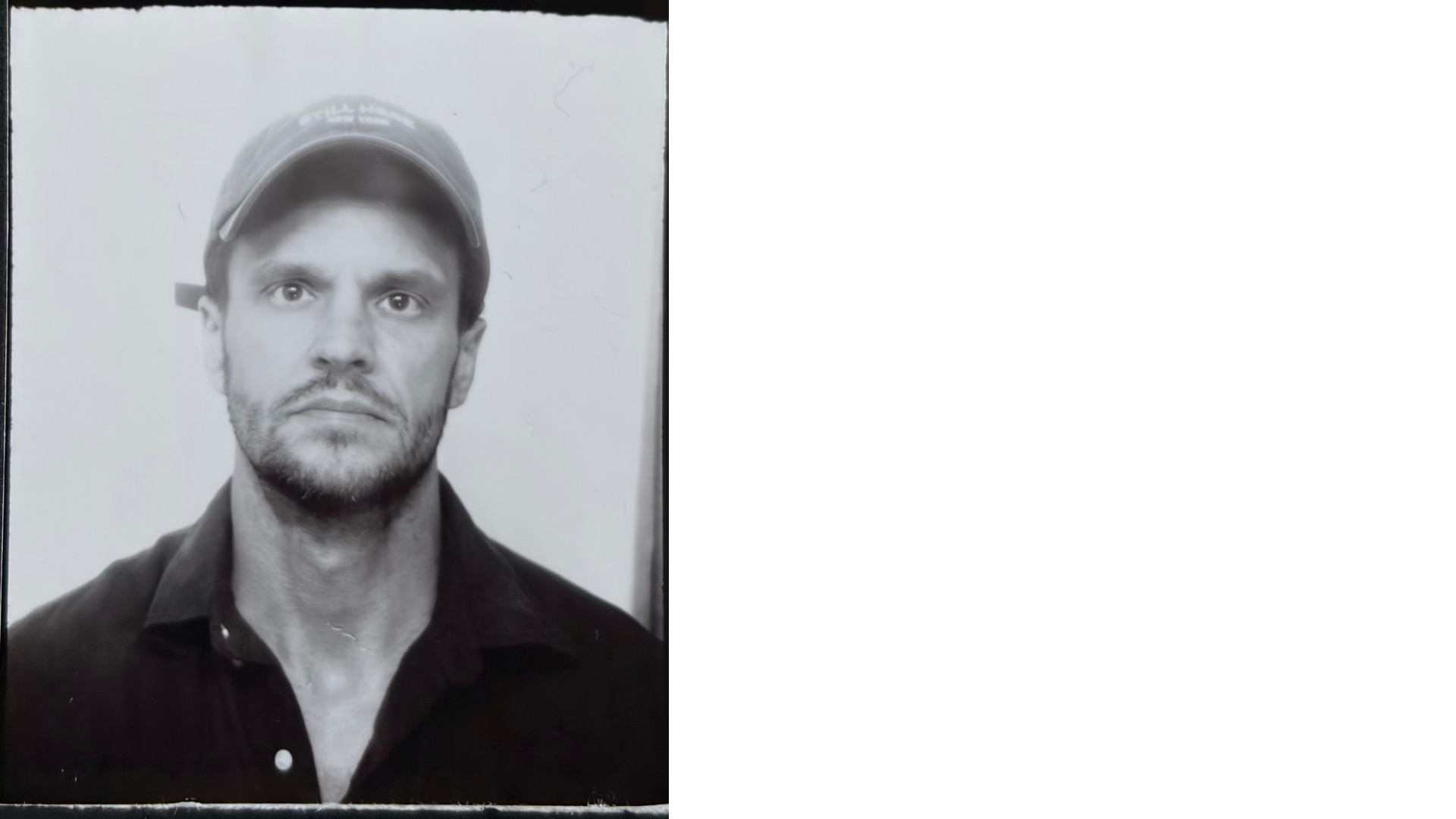 Marek Czyz is a digital designer based in London working with progressive brands that blur the line between luxury and lifestyle.


