


Article published: 6/11/26
GLP-1 and the New Consumer Economy
Somewhere between the hot sauce and the expired salad dressing sits a weekly injection responsible for rewriting the consumer economy.
GLP-1 medications changed what people buy, why they buy it, and which products even exist. Entire categories have been built to serve a consumer profile that barely existed five years ago, spanning skincare, haircare, CPG, fitness, and wellness.
Where Ozempic was the shockwave, GLP-1 culture is the aftershock. And as new studies surface on the medications' downstream effects, the product landscape keeps fragmenting into finer and finer niches.
The New Consumer Economy
Nearly 23% of U.S. households now have someone using a GLP-1 medication, with new prescriptions up 16% in just one year. The market is projected to surpass $100-150 billion by 2030. What started as a prescription is now an entire consumer economy. Nutrition, supplements, skincare, fitness, and food are all being redesigned and marketed around a new type of body.The Consumer Profile
The typical GLP-1 user skews Gen X and comes from households earning over $100K. New users are taking them primarily for weight loss, and most are women, particularly those without diabetes. This matters for how brands should think about the audience: it's an affluent, largely female, health-motivated consumer who is spending the money they save on food on something else entirely.
GLP-1 users reduced spending by 10% across 100 categories including groceries, quick-service restaurants, and tobacco compared to non-GLP-1 households. That freed capital doesn't disappear, it redirects.
The Food Stack Is Being Redesigned
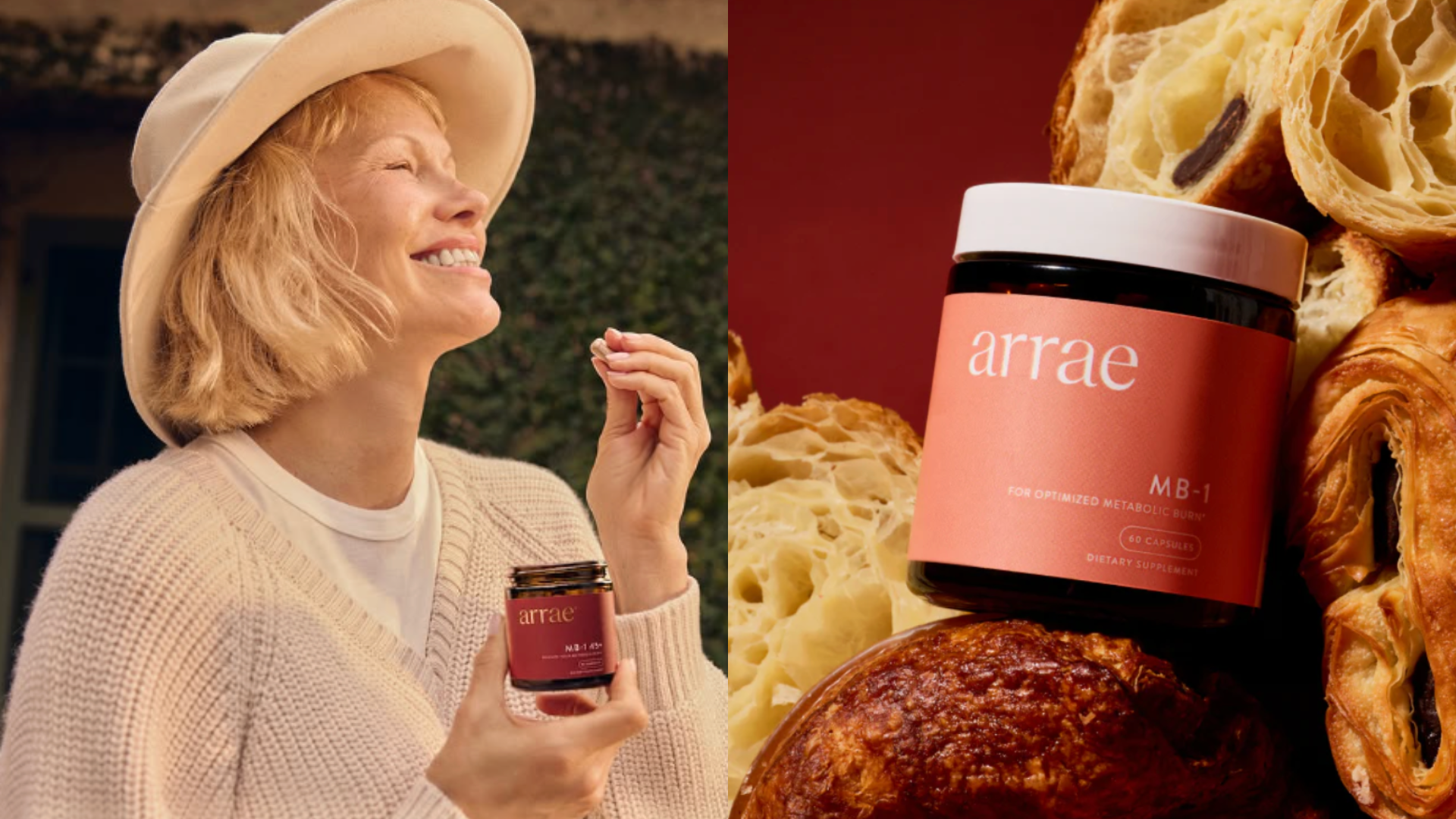
The initial fear was a category collapse. Spending on calorie-dense and processed foods (snacks, baked goods, soft drinks, alcoholic beverages) has declined by as much as 52% in some categories, while spending on lean proteins is up 27%, fruits and vegetables up 13%, and meal replacements up 19%.
Daily Harvest launched a GLP-1 companion collection curated by dietitians around nutrient density and metabolic support. The line is built for the specific nutritional profile of someone on GLP-1. Calorie efficient, micronutrient-dense, and designed to work with a suppressed appetite.
Arrae positions the new MB-1 supplement as an "all-natural Faux-Zempic" built on clinically studied ingredients. It's now on shelves at Target, Ulta, GNC, and Walmart. Its new MB-1 45+ rebuilds the formula for perimenopause and menopause, the first sign of the category segmenting by life stage.
Lemme Reset is a natural GLP-1 booster designed to stimulate the body's own production of the hormone through plant-based extracts. It's the peptide framework repackaged as a daily supplement for the consumer who wants in on the category without the medication.
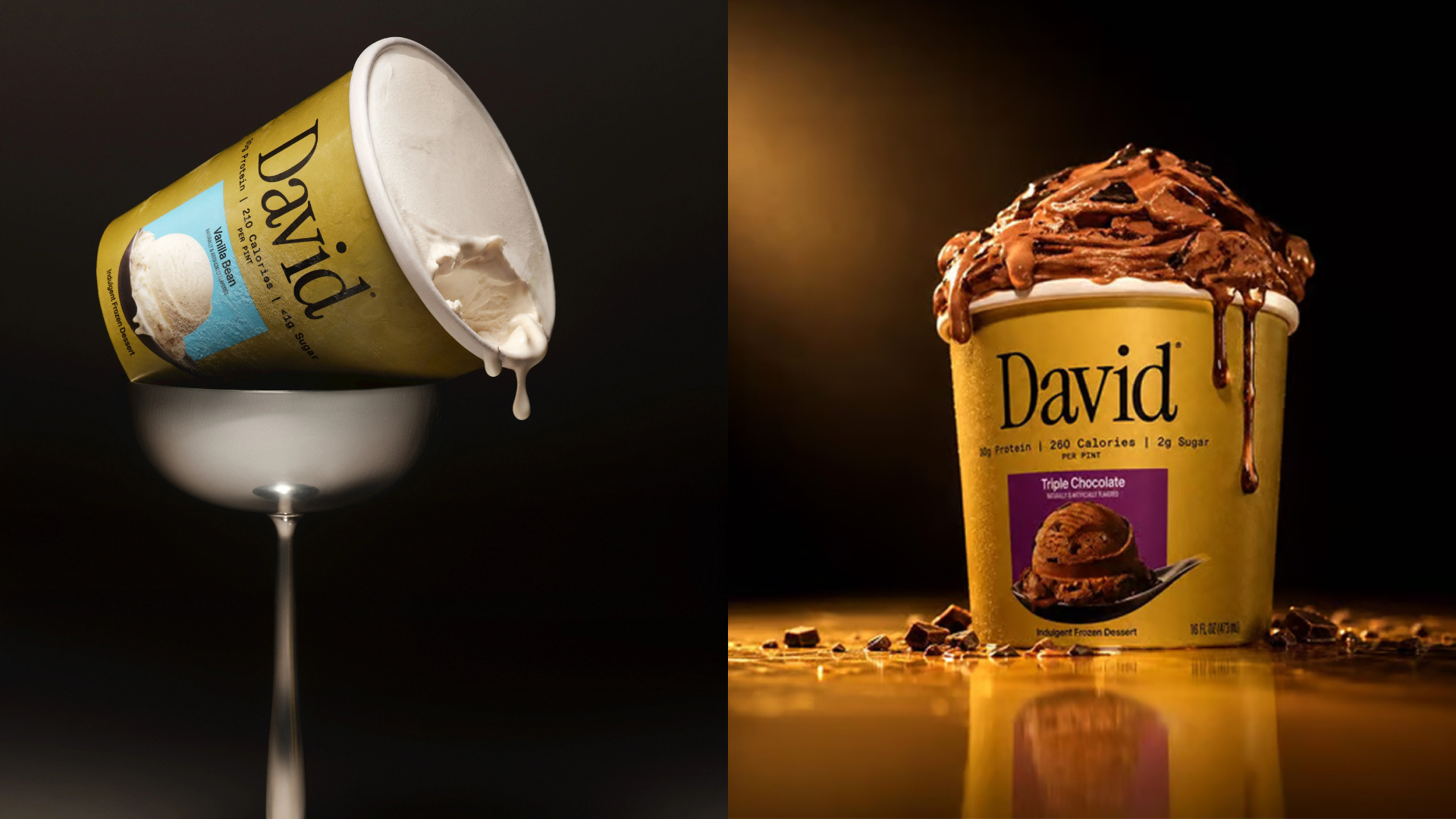
Then there's the brands playing the longer game, building for the GLP-1 consumer without ever naming them. David Protein's ice cream launch is the clearest example. The brand never positions itself around the medication, but its entire product logic: high protein, low calorie, indulgence reframed as optimization, maps directly onto what this consumer actually needs. One pint sold out in 28 minutes at $15 each. The demand signal is loud. The word ozempic appears nowhere.
Skincare Is Responding to the Side Effects
Lip products, skincare, hair styling, and fragrances were four of the top 14 categories producing the highest sales gains in the first half of 2025. The mechanism: weight loss builds confidence, which drives beauty participation. But there's also a correction effect.
The phenomenon called "Ozempic face", a sunken, gaunt appearance from rapid weight-driven volume loss has dermatologists describing it as an accelerated aging process: reduced skin elasticity, deeper wrinkles, increased dryness.
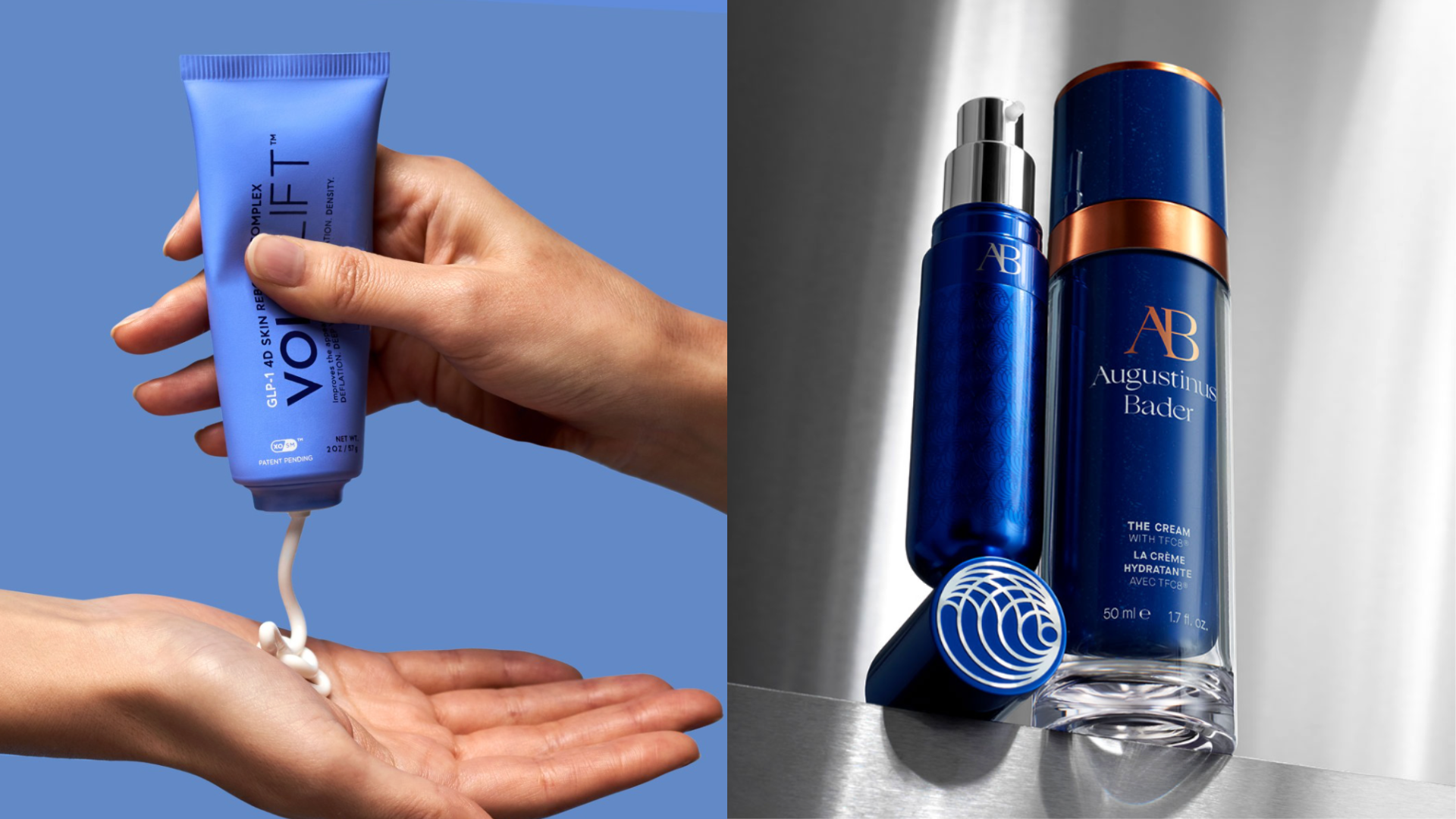
Image Skincare launched Vol.U.Lift specifically targeting facial deflation, deep wrinkles, dehydration, and density loss from GLP-1 use.
Dermalogica's Skin Sculptor Serum addresses skin laxity post-weight loss directly. It's one of the first products from a legacy skincare brand to acknowledge GLP-1 as a use case.
Augustinus Bader has marketed its Rich Cream as a solution for skin laxity. A growing concern among GLP-1 users.
"Ozempic Hair" Is Already a Category
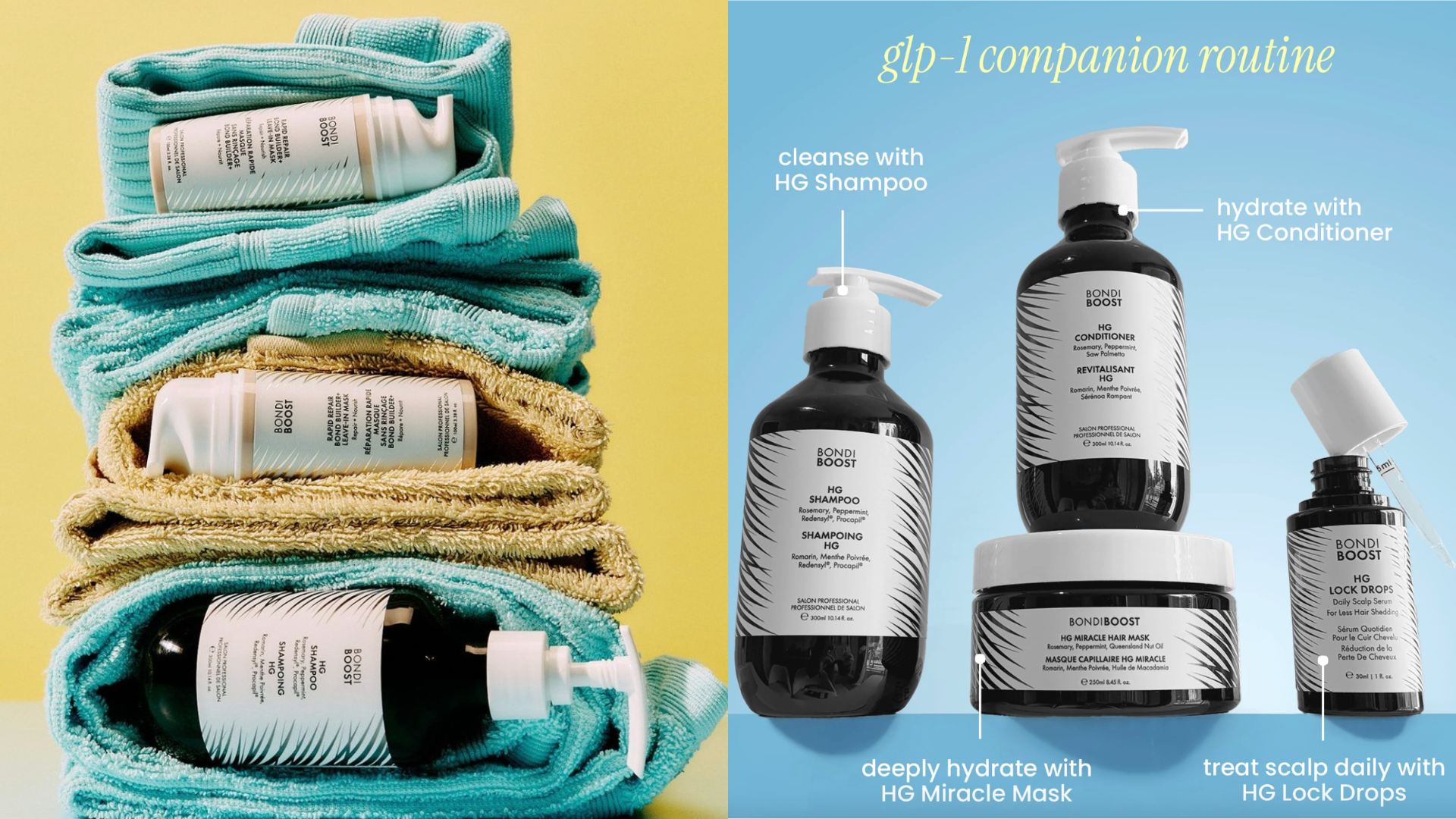
Bondi Boost launched GLP-1 Companion, a haircare routine designed to support hair health throughout the GLP-1 journey.
Patients on GLP-1 medications frequently report hair thinning alongside sagging skin and accelerated facial aging, now coined "Ozempic hair." Ulta CEO Kecia Steelman has called out hair loss as "real" and identified anti-hairfall treatments and skin elasticity products as growth drivers. Analysts at Piper Sandler specifically flagged Ulta's haircare category as poised to benefit from what they called "medically adjacent beauty demand." Nutrafol, acquired by Unilever, has seen demand spike from GLP-1 users.
Fitness Is Restructuring

Equinox is building strength-based protocols focused specifically on preventing muscle loss for GLP-1 users combining strength training, nutrition programming, and regeneration. The focus is on protecting the body during the GLP-1 process which is now becoming a whole service category.
Gyms, wearables, activewear, and healthtech are all benefiting as GLP-1s serve as an entry point for a new wave of wellness consumers. These are often people who weren't gym-goers before, or who dropped out, now re-engaging with fitness infrastructure. For brands like Lululemon, Whoop, or boutique fitness concepts, this is a growth lever.
The opportunity
GLP-1 turned weight loss from a medical event into a consumer identity, and identity is what brands sell to.
The GLP-1 consumer is a new archetype: affluent, health-motivated, newly body-confident, and actively looking to spend the money they're saving on food on products that support their transformation or correct its side effects. The brands winning right now are those that have either anticipated the side-effect problem (haircare, collagen, skin elasticity) or successfully repositioned into the aspirational frame (protein, hydration, activewear).
This piece was inspired by our recent interview with Theresa Yee, a London-based trend forecaster and journalist specializing in beauty and wellness. Read the full conversation in our latest report for more on where luxury wellness is heading next.


