


Article published: 9/21/26
Building for AI Discovery on Shopify
People are now shopping with AI the way they’d ask a friend for a recommendation.
Ask an AI assistant for “a travel bag that fits under an airplane seat, has room for a laptop, and looks professional.” It compares options, and recommends a few, maybe even give them a rating out of ten for how closely they follow the guidelines proposed.
By the time you click on one, a pretty important part of the shopping experience has already happened.
Now flip that. If you’re the brand, the challenge is showing up in that recommendation in the first place.
Shopify's already building for it. At Vaan we've been getting more questions from clients about what they can actually do to improve their chances of showing up.
Here's how we're thinking about it, and what it means for the way we design ecommerce stores.
The Fundamentals of AI Discovery
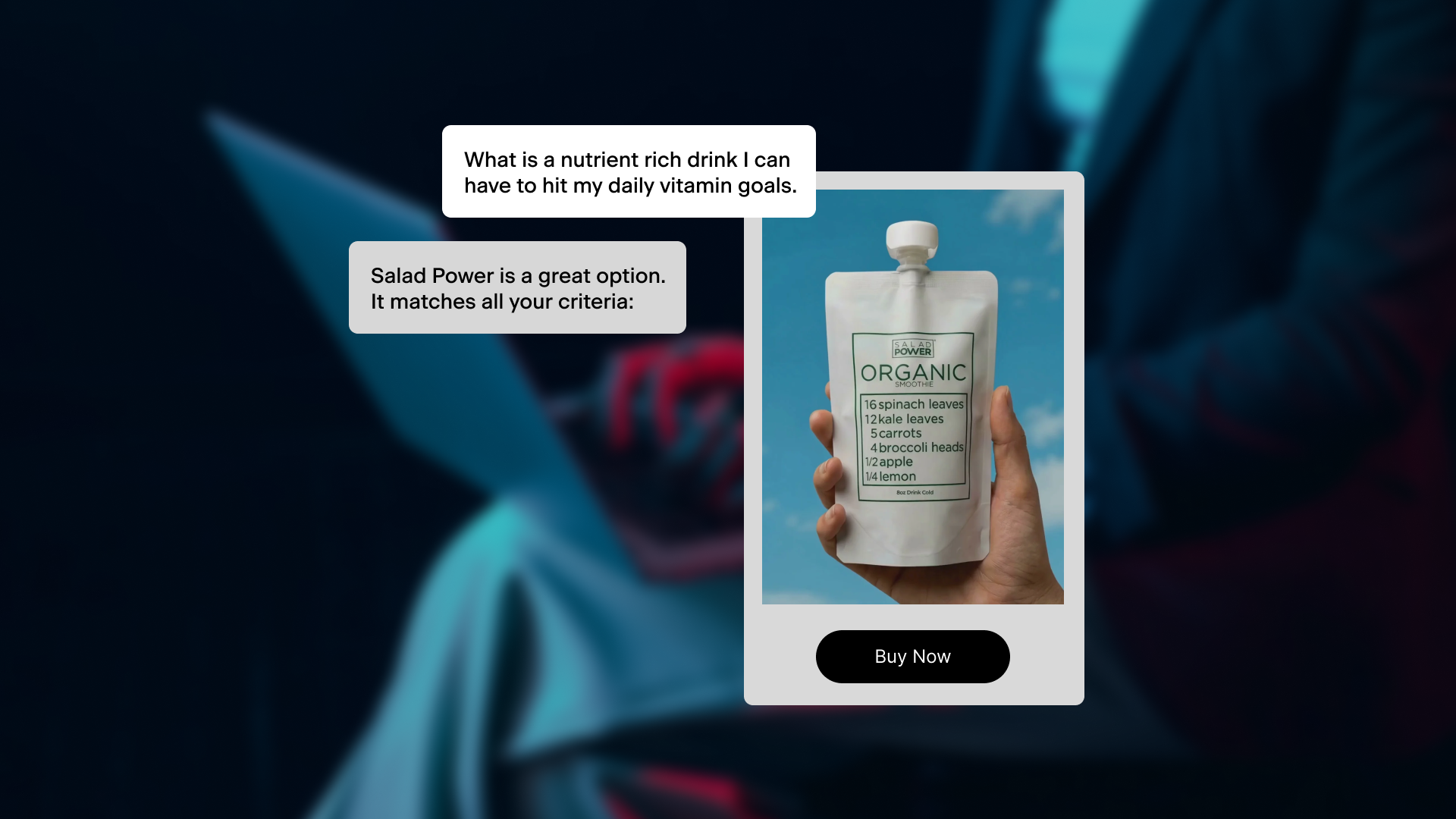
The starting point of AI discoverability is reviewing what the LLM’s are already receiving. Common SEO practices like clear titles, descriptions, and specifics help AI understand a product and who it's for.
This gets interesting with brands whose websites intentionally keep information density low. A luxury brand may want a product page that feels closer to a lookbook. Which can be a strong creative decision, but might be leaving useful product information out of the catalog.
Ellie, our Senior Solutions Strategist, explains how we’re handling that balance for clients. “If the standard Shopify fields aren't optimized enough for AI or if the client intentionally keeps their front-end content minimal, we have been creating AI-specific metafields and updating the catalog mapping to reference those fields instead.”
The same thinking applies to imagery. A cinematic campaign image can establish the whole feeling of a brand without clearly showing the product’s scale or construction. Shopify’s listing checks consider image relevance and quality alongside the written information.
Organize Collections Around Clear Structures
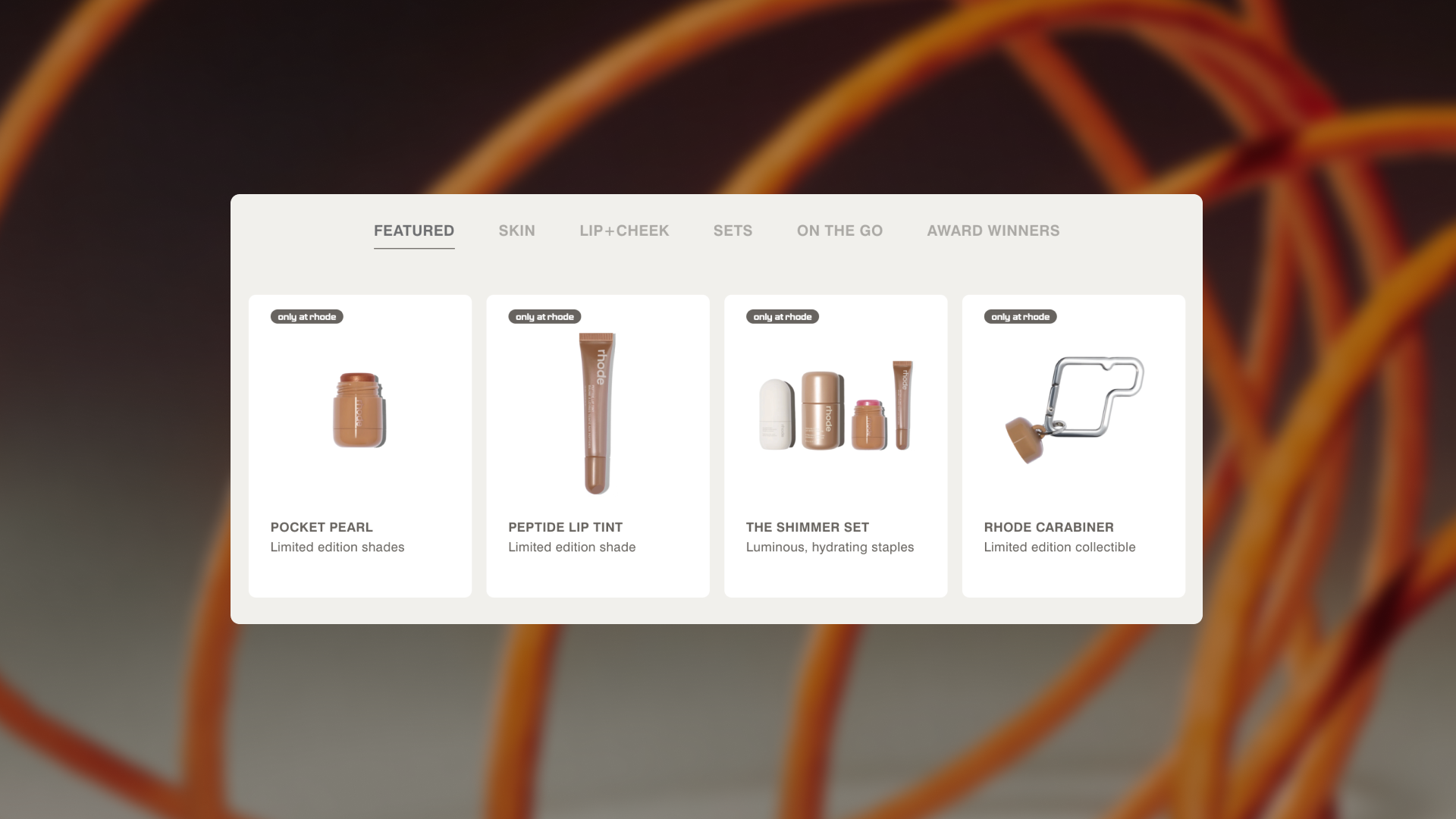
A customer browsing a website can see if five colors belong to the same bag, but behind the scenes, for a lot of brands, those colors might exist as five separate products connected through a collection or custom logic.
However it’s important that those variant relationships are represented explicitly in the catalog. Shopify supports this through combined listings and custom variant grouping.
Etai, a Growth Strategist at Vaan, points to the way those collections should be organized: “We review collection naming, descriptions, and which products are included to make sure important relationships like category, use case, routine, audience, and season are clear. This gives AI more context to surface the right products for relevant customer queries.”
Answer The Questions That Shape Conversion
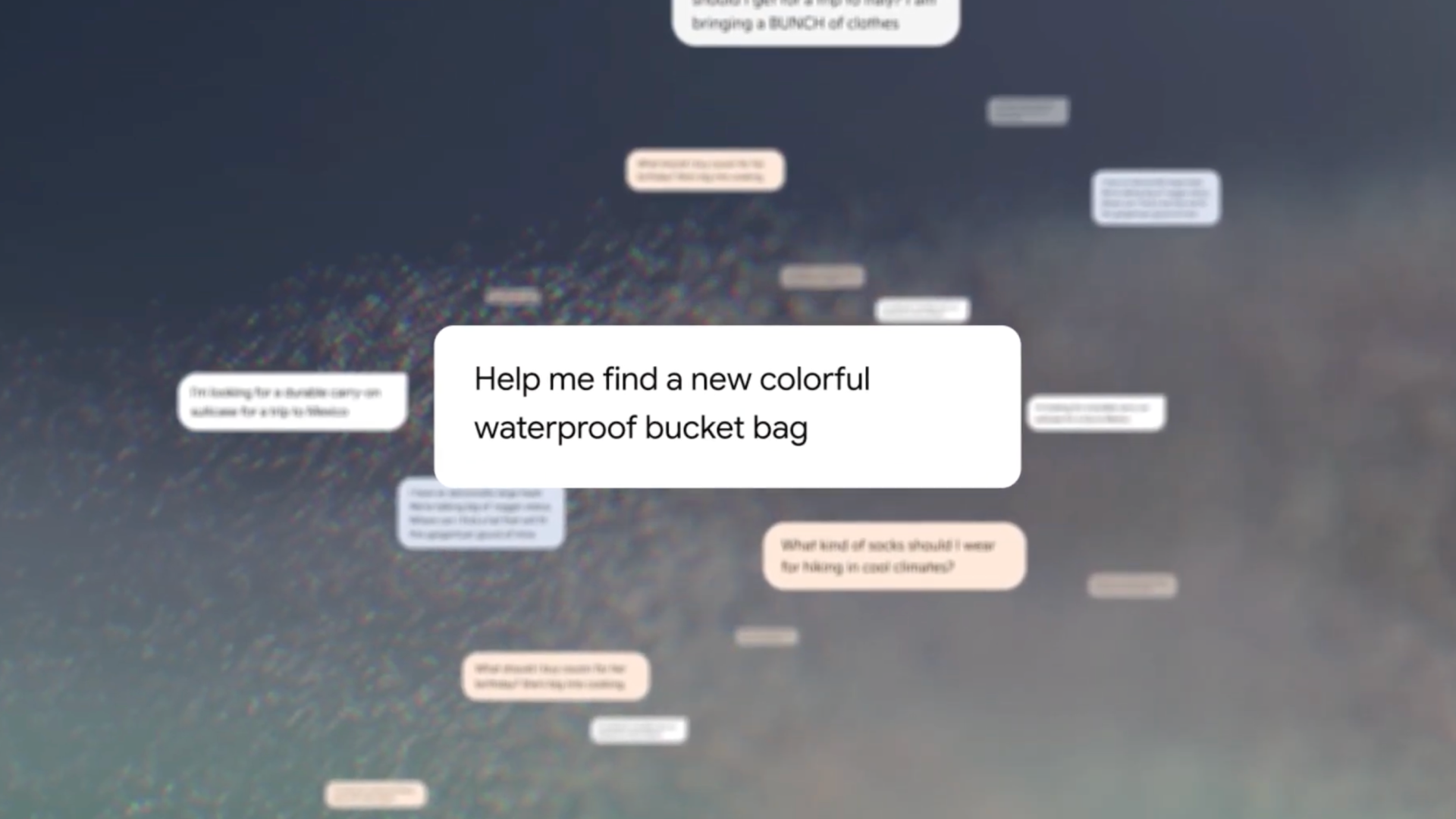
A product can check every box and still leave someone unsure about buying it. Can it arrive before their trip? What is the return policy if the fit isn’t right? Do other buyers say the quality holds up?
Those questions have been a part of the shopping conversation. A strong FAQ section is a staple of ecommerce design, but now Shopify specifically describes FAQs as a trusted source that AI platforms can use to answer questions about your store.
Similar to the metafield tags, Shopify’s Knowledge Base helps you fill out information behind the scenes. Its FAQs aren’t displayed on your storefront, but give AI shopping agents a source of answers about your business or product. While Shopify explains this doesn’t directly change the discoverability, it helps AI give better and more accurate answers to customer questions.
The Knowledge Base query log also gives brands useful insights into what customers are asking and whether the agent could answer. So if people keep asking similar questions, that’s a gap merchants can quickly identify and address.
Testing And Improving Discoverability
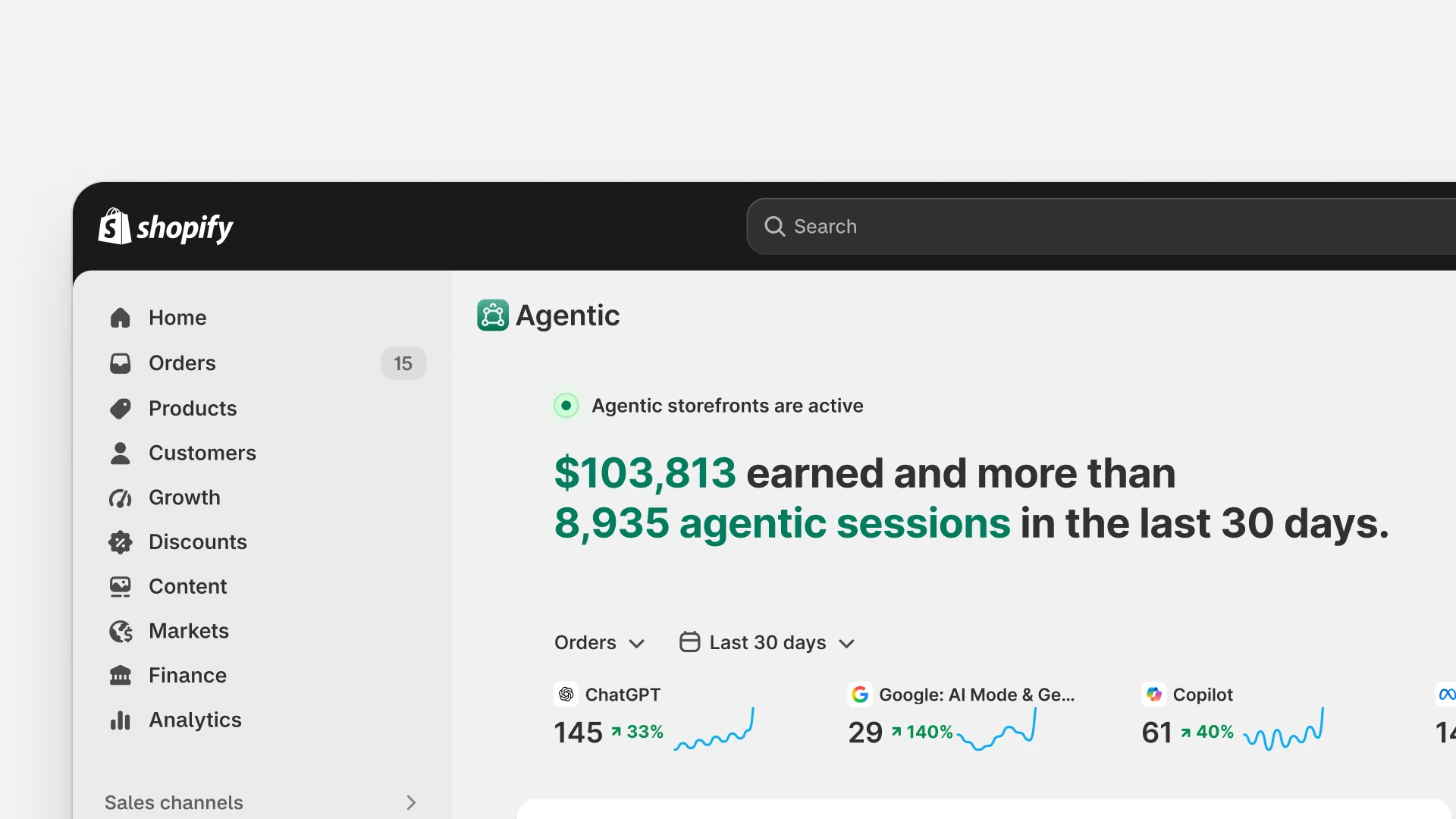
There’s a similar feedback loop in the Agentic dashboard. Search previews help merchants inspect Catalog results and identify listing issues. Performance reporting connects AI channels to traffic and sales. Those previews are directional because outside platforms can rerank results, but they give us a way to investigate visibility.
The usual discovery foundations still matter too. Shopify recommends continuing with SEO best practices, and AI can also encounter a store through the open web. Shopify automatically provides discovery files such as /agents.md and /llms.txt. Those support discovery alongside Catalog; merchants don’t need a separate app just to generate them.
The PDP Becomes A New Front Door
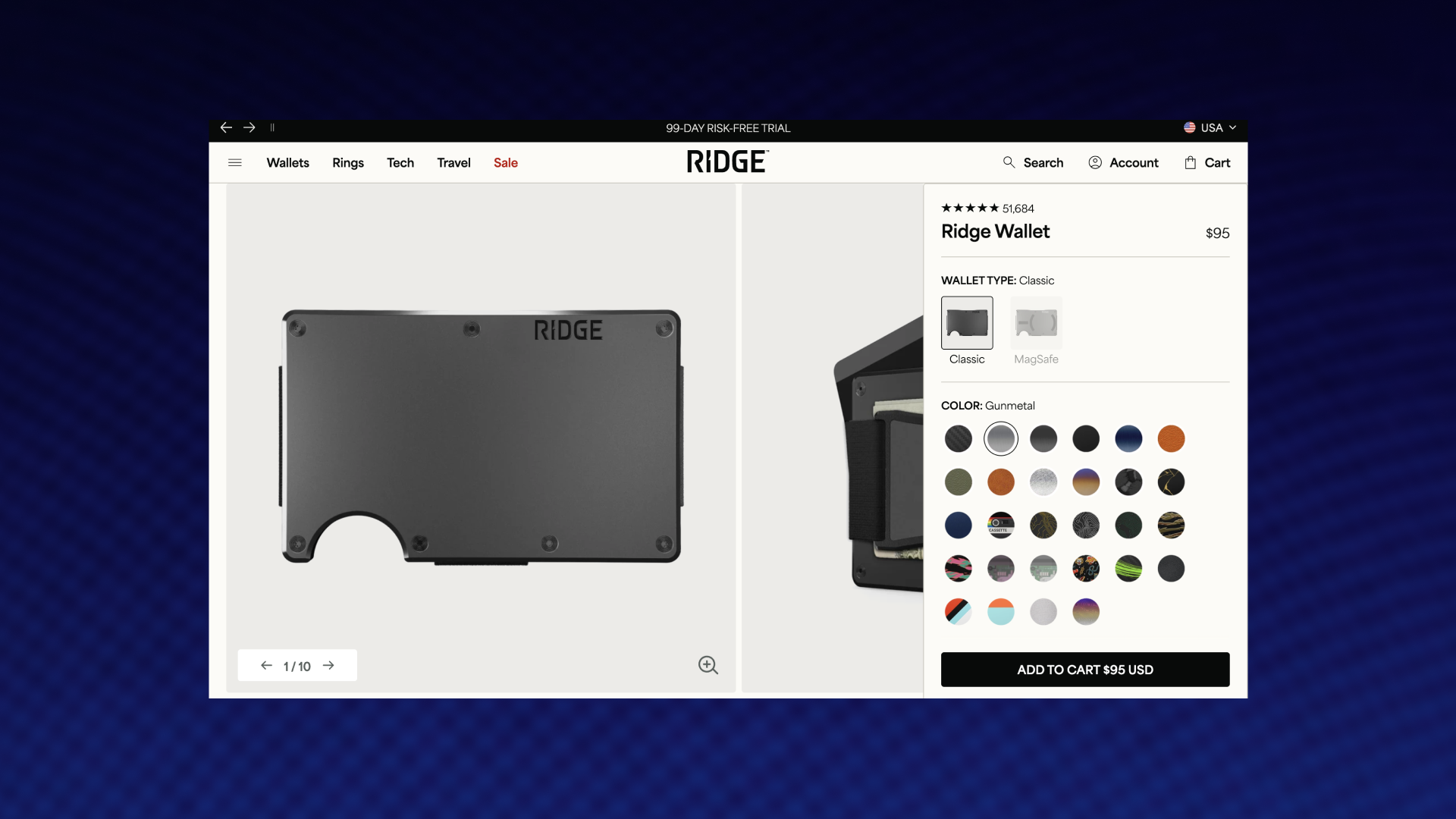
So where are these AI recommendations taking people? Often straight to a product page, so consumers are bypassing the homepage altogether. In fact, Shopify’s Q1 2026 research found that more than half of AI-referred sessions started on a PDP, compared with about 20% from organic search.
That means someone may arrive knowing why your product fits their needs, but almost nothing about the brand as a whole. A modern product page needs to introduce both.
Josiah, a tech lead at Vaan, describes the shift: “You should not rely on your about page. You should not rely on your homepage. The PDP needs to tell the brand’s story and give shoppers a reason to trust the company behind the product. As AI shopping grows, brands should rethink how they allocate design time, and give product pages more attention traditionally reserved for the homepage.”
Make AI Discovery Part Of Your Plan
So now that merchants need to consider how their products are being recommended in AI, the quality of product information is a much larger part of the customer experience. The industry is moving quickly as well. New AI shopping channels and updates to Shopify’s tools will keep shaping what brands can do.
At Vaan, we follow those changes closely and help clients decide what’s worth acting on.
If you want to learn more get in touch: vaangroup@vaangroup.com


